
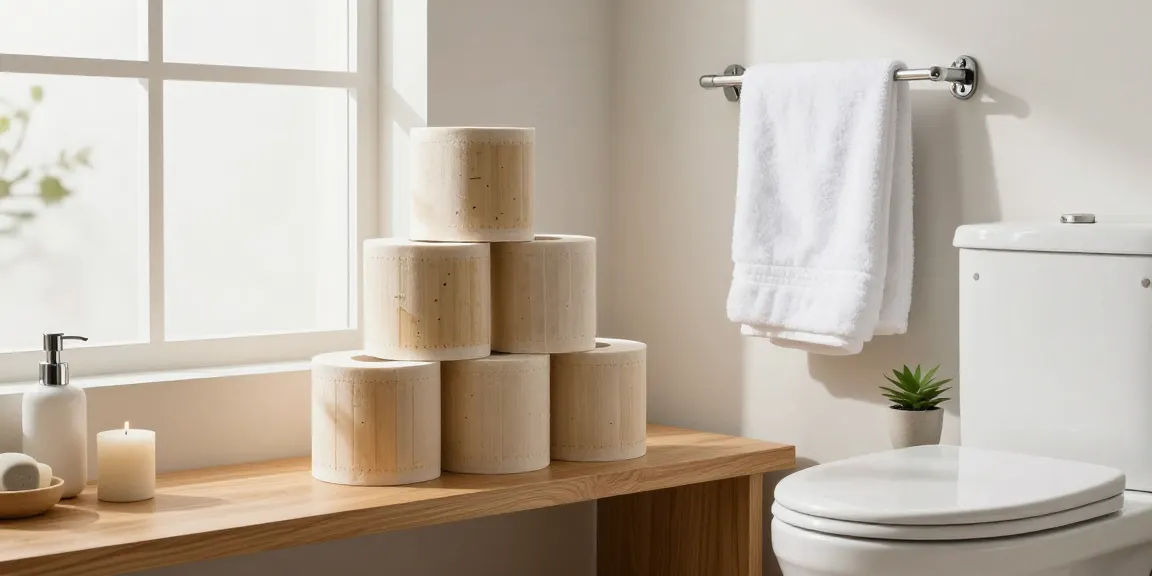
The Rise of Bamboo Loo Rolls in Sustainable Living
In the quest for a more sustainable lifestyle, eco-conscious consumers are turning their attention to everyday essentials like toilet paper. Among the various alternatives available, Bamboo Loo Rolls have gained notable traction. Made from bamboo, a fast-growing and renewable resource, these loo rolls are not only soft and strong but also represent a significant shift towards environmentally-friendly choices. As awareness of environmental issues rises, the demand for sustainable bathroom products like bamboo toilet rolls is expected to soar in 2026, marking a critical juncture in consumer habits.
1. Understanding the Environmental Impact of Traditional Toilet Paper
Traditional toilet paper is frequently made from virgin wood pulp, leading to deforestation and a significant carbon footprint. The production process typically requires extensive amounts of water and chemicals, which can pollute waterways. Furthermore, considerable energy is expended during the manufacturing stage, contributing to greenhouse gas emissions. As environmental concerns grow, many consumers are now questioning the sustainability of conventional toilet products, leading them to seek alternative solutions like bamboo loo rolls that promise less environmental strain.
2. Why Bamboo is a Superior Choice
Bamboo is often touted as a more sustainable alternative because it is one of the fastest-growing plants on Earth, capable of regenerating in just a few months after harvesting. The cultivation of bamboo also requires less water compared to traditional trees and does not need pesticides or fertilisers, making it an environmentally friendly choice. Additionally, bamboo can grow in a variety of climates, allowing it to be cultivated in regions that are unsuitable for other crops, thereby fostering agricultural diversification.
3. The Growing Trend of Eco-Friendly Bathroom Products
As consumers become more conscientious about their ecological footprint, there is a notable shift toward eco-friendly bathroom products. This trend includes not just bamboo loo rolls but also compostable wipes, reusable cotton pads, and biodegradable hygiene products. Retailers are responding to this demand by expanding their offerings of sustainable home products, making it easier than ever for consumers to make environmentally responsible choices. The eco-friendly bathroom revolution is set to continue its momentum into 2026 and beyond.
Benefits of Bamboo Loo Rolls Over Conventional Brands
1. Softness and Strength: What Sets Bamboo Apart
One of the most significant advantages of bamboo loo rolls is their exceptional softness without sacrificing strength. Bamboo fibres are naturally smoother and silkier compared to traditional wood pulp toilet paper. Many users report that bamboo loo rolls feel gentler on the skin, making them an excellent choice for individuals with sensitive skin or allergies. Furthermore, the way bamboo is processed into toilet paper ensures durability, reducing the risk of tearing during use.
2. Biodegradability and Flushability Explained
Another highlight of bamboo toilet rolls is their biodegradability. Unlike traditional toilet paper, which can take years to decompose, bamboo loo rolls break down quickly in both sewer systems and compost. This ensures not just responsible waste disposal but also contributes positively to the environment as they return to the earth without leaving harmful residues. Their flushability is a crucial feature, making them suitable for households with septic systems without the fear of clogging.
3. Cost-Effectiveness of Bamboo Products in the Long Run
While bamboo loo rolls may come at a slightly higher price point compared to conventional brands, their durability and quality make them a cost-effective choice in the long term. Users often find that they use fewer sheets per visit, which can lead to savings over time. Additionally, the move towards bamboo products aligns with increasing consumer awareness regarding environmental impact, allowing users to contribute positively while saving costs.
How Bamboo Loo Rolls Are Made: The Process Explained
1. From Bamboo Harvesting to Toilet Paper Production
The production of bamboo loo rolls begins with the harvesting of mature bamboo stalks. Once harvested, the stalks are processed into pulp using sustainable methods that minimise chemical usage. This pulp is then refined, bleached using environmentally friendly processes, and finally transformed into the soft, durable sheets that consumers love. This production process not only conserves resources but also enhances the overall quality of the toilet paper.
2. Sustainable Manufacturing Practices
Modern manufacturers of bamboo toilet paper are increasingly adopting sustainable practices. This includes using renewable energy sources in their production facilities and implementing waste-reduction strategies. Many brands also participate in reforestation initiatives, helping to counteract any environmental impact associated with bamboo harvesting. Such practices ensure that bamboo toilet paper production contributes positively to sustainable living.
3. Innovations in Bamboo Toilet Paper Technology for 2026
The innovation in bamboo toilet paper technology continues to evolve, aiming to improve softness, strength, and environmental impact. As we look towards 2026, we can expect advancements such as enhanced manufacturing techniques that reduce water and energy consumption further, as well as innovative packaging solutions designed to minimise plastic waste. Some brands are already experimenting with interwoven bamboo and recycled paper to create hybrid products that promote sustainability without compromising quality.
Common Misconceptions About Bamboo Loo Rolls Debunked
1. Addressing the Myths of Cost and Availability
One common misconception regarding bamboo loo rolls is that they are prohibitively expensive or hard to find. However, as more companies enter the market, the price gap between bamboo and traditional toilet paper is narrowing. Many retailers now offer competitive pricing, making bamboo loo rolls accessible to a broader audience. Additionally, various subscription services provide convenience and better pricing for regular users.
2. Understanding the Quality: Softness vs. Strength
Consumers often worry that environmentally-friendly products may compromise on quality. However, bamboo loo rolls are designed to meet high-quality standards, balancing softness and strength effectively. Unlike some brands that compromise on both during production, bamboo toilet rolls maintain exceptional durability while providing a luxurious feel. This combination of qualities makes them a popular choice for many households.
3. Clarifying the Environmental Claims: What You Need to Know
With the rise of eco-conscious consumerism, it is essential to scrutinise environmental claims made by brands. Bamboo products often come with certifications indicating sustainable practices, such as Forest Stewardship Council (FSC) certification. Consumers should look for these indicators to ensure they are making informed decisions and truly supporting sustainable manufacturing. Understanding these claims can help demystify bamboo products and their environmental benefits.
Where to Buy Bamboo Loo Rolls: A Guide for 2026
1. Top Brands Offering Quality Bamboo Toilet Paper
Numerous brands now specialise in bamboo loo rolls, providing a range of products suited to different preferences and needs. Notable names include brands that focus on eco-friendly household products, ensuring the highest quality and sustainability standards are met. Consumers can benefit from researching various brands to find those that align with their personal values and commitments to sustainability.
2. How to Choose the Right Product for Your Needs
Choosing the right bamboo loo roll can be daunting with so many options available on the market. It’s essential to consider factors such as sheet size, roll length, and specific features like embossing and packaging. For instance, some brands offer double-length rolls, which can provide better value for money. Comparatively, others may focus on luxury softness, ensuring that users have a delightful experience without sacrificing functionality.
3. Eco-Friendly Subscription Services for Convenience
Subscription services are an excellent way to ensure you never run out of bamboo loo rolls while enjoying the convenience of home delivery. Many services offer flexible options, allowing subscribers to choose the frequency and quantity that best suits their household needs. This not only saves time but also often reduces overall costs compared to one-time purchases.
How do bamboo loo rolls compare to recycled paper?
Bamboo loo rolls generally outperform recycled toilet paper in terms of softness and strength. While recycled paper is a good eco-friendly choice, bamboo provides unparalleled comfort and durability. Moreover, bamboo loo rolls are produced without the need for toxic bleaching agents, making them a safer option.
Are bamboo loo rolls genuinely septic-safe?
Yes, bamboo loo rolls are septic-safe as they break down efficiently in water, making them compatible with septic systems. Unlike some conventional rolls, which may cause blockages, bamboo toilet paper disintegrates quickly, easing the strain on plumbing systems.
What are the health benefits of using bamboo toilet paper?
Bamboo toilet paper is often hypoallergenic and free from harmful chemicals, making it a safe choice for those with sensitive skin or allergies. The antibacterial properties of bamboo may also contribute to a healthier bathroom environment.
How can I ensure I’m purchasing sustainable bamboo loo rolls?
To ensure you are buying sustainable bamboo loo rolls, look for certifications such as FSC or other environmental labels that attest to responsible sourcing and production practices. Reading product descriptions and researching brands can also provide insights into their sustainability commitments and manufacturing processes.
Are there any downsides to using bamboo loo rolls?
While bamboo loo rolls have many advantages, some consumers may find them slightly more expensive than conventional options. Additionally, the availability of bamboo products may vary by region. Nevertheless, the environmental benefits and quality often offset these concerns, making them a worthy investment in sustainable living.